
| mobile_3 App Name | The Walking Zombie 2 |
| link_2 Google Play Link |  |
| code Developer | Alda Games |
| account_tree Version | 3.56.0 |
| storage Size | 101 MB |
| android Requires Android | 7.0 and up |
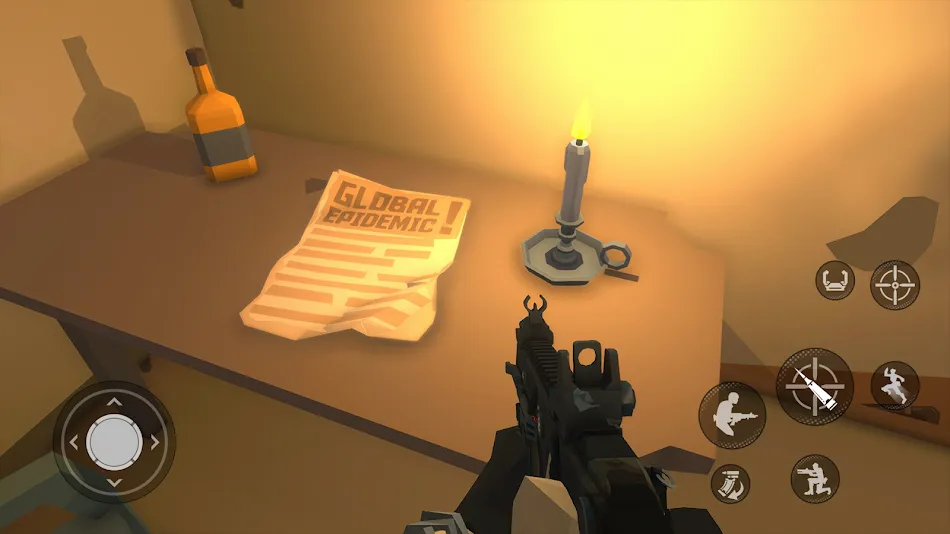
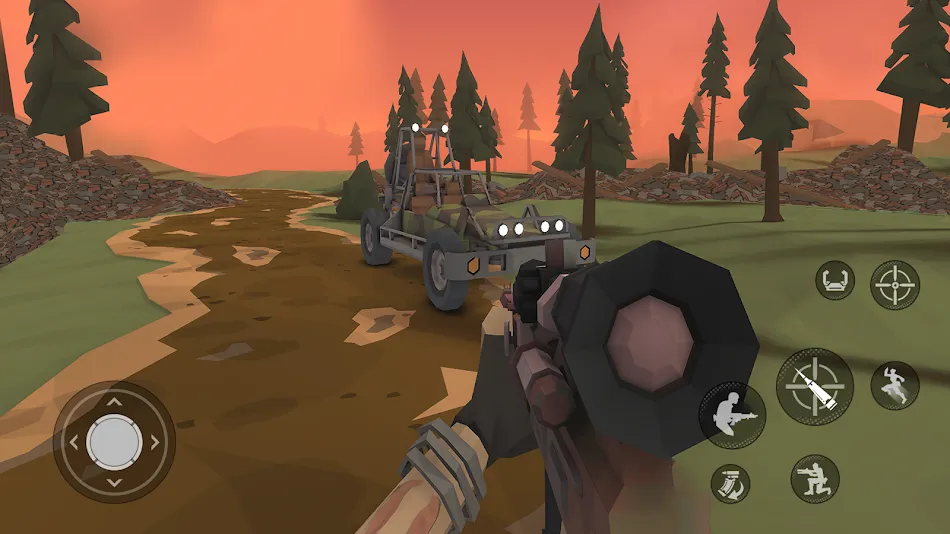
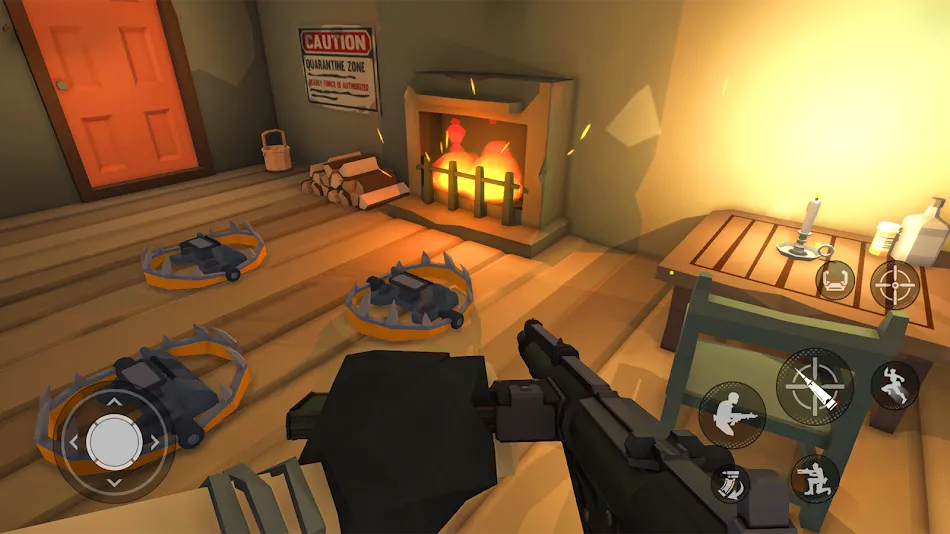
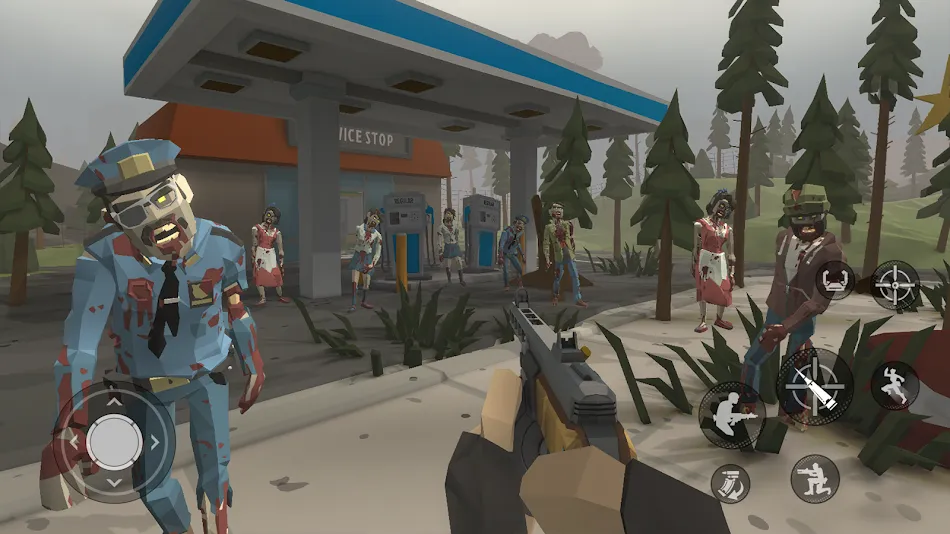
MOD Info
– Unlimited Money
– Mega Menu (One Hit, God Mode, Ammo, Points, Damage)
– No Ads
The Walking Zombie 2: Introduction
The Walking Zombie 2 combines first-person shooter combat with role-playing progression systems that determine how quickly players advance through the campaign. The game’s structure revolves around completing quests, earning rewards, improving equipment, and increasing character strength to unlock more difficult regions.
The primary gameplay loop begins inside settlements where players receive missions from non-player characters. These missions send the player to combat zones, exploration areas, or special objectives. Completing these activities rewards experience points, money, consumables, and equipment that feed directly into character progression.
Every completed mission contributes to several progression systems simultaneously. Experience increases character levels, money allows equipment purchases, resources replenish supplies, and quest completion unlocks new areas and story chapters. Because multiple progression tracks advance together, nearly every activity contributes to long-term growth.
Progression speed largely depends on how efficiently players convert mission rewards into combat power. Stronger equipment and better stat allocation allow faster mission completion, which in turn accelerates resource generation and character development.
Character Levels and Attribute Growth
Character leveling serves as one of the game’s most important long-term systems. Experience points are earned primarily through quest completion and enemy eliminations. Each level grants attribute points that improve the protagonist’s capabilities.
Rather than using traditional character classes, The Walking Zombie 2 allows players to develop builds through stat investments. These attributes influence combat effectiveness, survival capabilities, and interaction options throughout the game.
Combat-oriented statistics increase damage output and survivability, while utility attributes improve secondary systems such as speech checks, trading efficiency, or resource management. Because attribute points are limited, players must decide whether to prioritize direct combat strength or broader utility advantages.
As enemies become stronger in later regions, effective stat allocation becomes increasingly important. Poor attribute investment can slow progression by making missions more difficult and increasing resource consumption during combat.
Character levels also act as progression gates for certain equipment and content. Higher-level gear often requires sufficient character development before becoming available, creating a direct connection between experience gains and overall power growth.
Equipment Progression and Weapon Upgrades
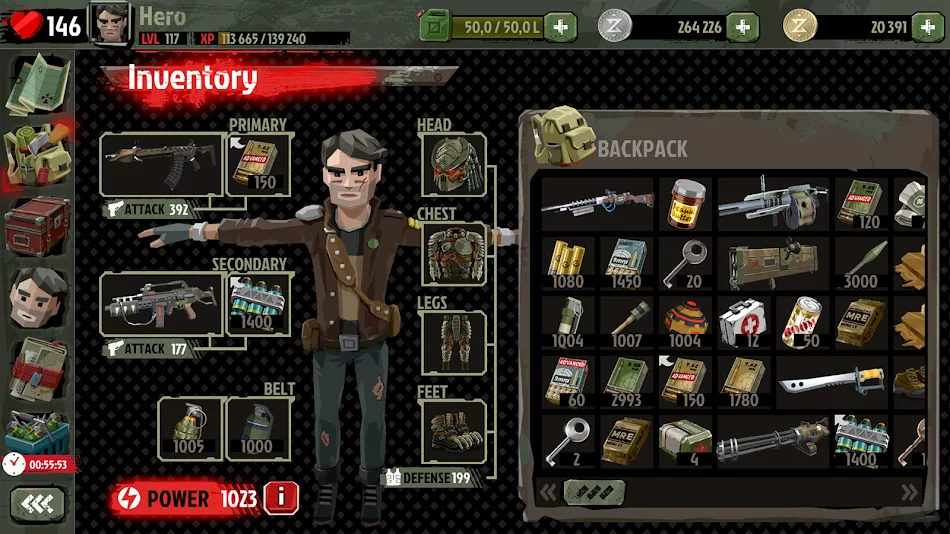
Weapons represent the most visible source of player strength. The game offers pistols, shotguns, assault rifles, sniper rifles, machine guns, and energy weapons, each serving different combat roles.
Equipment progression follows a relatively straightforward power curve. Early weapons provide sufficient damage for initial regions, but later areas introduce stronger enemies with larger health pools and greater offensive capabilities. Upgrading to higher-tier weapons becomes necessary to maintain efficient combat performance.
Weapon damage directly influences progression speed. Stronger weapons reduce ammunition consumption, shorten combat encounters, and improve mission efficiency. As a result, equipment upgrades often provide larger power increases than individual character levels.
Armor progression functions similarly. Better protective gear reduces incoming damage, allowing players to conserve healing items and survive difficult encounters. Since medical supplies require money and resources, stronger armor indirectly improves resource efficiency.
Equipment purchases create important economic decisions. Players must choose whether to save money for expensive upgrades, purchase ammunition, invest in healing supplies, or acquire new weapons. Because resources are limited, poor spending decisions can delay progression.
Currency, Resources, and Economic Systems
Money serves as the primary currency throughout The Walking Zombie 2. It is earned from completing quests, defeating enemies, selling unwanted items, and participating in various activities.
Money is used to purchase weapons, armor, ammunition, medical supplies, fuel, and other important resources. Because nearly every progression system depends on currency, financial management becomes a major part of long-term advancement.
Ammunition functions as both a combat resource and an economic resource. Powerful weapons often consume expensive ammunition, forcing players to balance damage output against operating costs. Efficient combat builds can progress more quickly because they spend fewer resources during missions.
Medical supplies also contribute to resource management. Frequent damage increases healing costs, reducing funds available for equipment upgrades. Strong defensive builds often progress more efficiently because they require fewer consumable items.
Fuel acts as another supporting resource because traveling across the world map requires transportation. Although fuel costs are generally manageable, excessive travel or inefficient route planning can increase operating expenses.
Premium currencies and special rewards occasionally provide access to unique items or convenience features. However, the core progression systems remain heavily centered on standard in-game currency and mission rewards.
Quest Systems and Progression Structure
Quest completion drives nearly every progression system in the game. Main story missions unlock new regions, settlements, and major features, while side quests provide additional resources and experience.
Story progression serves as the primary advancement path. New areas contain stronger enemies, better equipment, and higher rewards. This creates a gradual increase in both difficulty and potential growth opportunities.
Side quests function as progression support systems. They provide additional money, experience, and materials that help players overcome difficult story missions. Players who complete optional content often maintain stronger equipment and better resource reserves.
Mission variety also influences progression. Elimination missions emphasize combat efficiency, while delivery or exploration tasks provide alternative ways to earn rewards. This diversity allows players to advance through multiple activities while continually strengthening their characters.
Quest availability acts as a progression gate. Certain missions require previous story completion, specific levels, or access to new settlements. As a result, progression remains closely tied to campaign advancement.
Difficulty Scaling and Progression Walls
Enemy strength increases steadily throughout the campaign. Later regions introduce tougher zombies, stronger bandits, larger enemy groups, and more dangerous special enemies.
These increasing challenges create progression walls that players must overcome through improved equipment, higher character levels, and better resource management. Difficulty scaling serves as an important progression system because it determines when upgrades become necessary.
Combat efficiency becomes increasingly important during later stages. Underpowered weapons can dramatically increase ammunition consumption, while inadequate armor leads to higher healing costs. These inefficiencies slow overall progression by reducing available resources.
Boss encounters and difficult missions often test multiple systems simultaneously. Success may require stronger weapons, improved statistics, sufficient healing supplies, and proper ammunition reserves. Players who neglect one progression system may encounter bottlenecks that delay advancement.
Grinding becomes an effective solution when progression slows. Repeating side missions allows players to earn additional money and experience, improving their equipment before attempting difficult content again.
Build Development and Long-Term Optimization
Although the game lacks traditional classes, players gradually develop specialized builds through attribute choices and equipment selection.
Combat-focused builds prioritize damage output and weapon effectiveness. Survival-oriented builds emphasize health, defense, and resource efficiency. Utility builds invest in skills that improve dialogue options, trading, or other secondary systems.
Equipment choices also contribute to build identity. Sniper rifles support long-range engagements, while shotguns favor close combat. Automatic weapons offer sustained damage but require larger ammunition investments.
Optimization involves balancing offensive power, defensive capability, and resource consumption. Players who maintain efficient builds often progress more quickly because they spend fewer resources while completing missions.
As the campaign advances, stronger equipment and higher-level enemies encourage players to refine their builds and invest resources more carefully.
Long-Term Goals and Endgame Progression
After the early stages, progression shifts toward maximizing character effectiveness and obtaining stronger equipment. Players continue pursuing higher-level weapons, improved armor, additional upgrades, and remaining story content.
Completing side missions, collecting resources, and strengthening equipment remain important even in later stages. The progression systems continue supporting growth by introducing stronger enemies and more demanding objectives.
Long-term engagement primarily revolves around character optimization. Increasing combat efficiency, reducing resource costs, and acquiring superior equipment allow players to overcome the game’s most difficult content.
The Walking Zombie 2 ultimately bases its progression on interconnected systems. Character levels, equipment upgrades, currency management, quest completion, and resource efficiency all contribute to player strength. Success depends less on individual upgrades and more on maintaining balanced development across every major progression system.
Installing The Walking Zombie 2 on Your Android Device
Follow the simple instructions below to install The Walking Zombie 2 on your Android smartphone or tablet.
1. Get the Latest APK File
Download the latest version of the APK from the download link provided above and wait for the file to finish downloading.
2. Enable Unknown App Installation
If prompted, allow your browser or file manager to install applications from external sources through your device settings.
3. Find the Downloaded APK
Open your Downloads folder or preferred file manager and locate the downloaded APK file.
4. Begin the Installation
Tap the APK file and select the Install option. The installation process may take a few seconds depending on your device.
5. Launch the Application
Once the installation is complete, open The Walking Zombie 2 from your app drawer and start using the app.
FAQs
How does progression work in The Walking Zombie 2?
Progression in The Walking Zombie 2 revolves around completing quests, earning experience points, collecting money, and upgrading equipment. Players become stronger by leveling up their character, improving attributes, purchasing better weapons, and unlocking new regions through story advancement.
Which resources are most important in The Walking Zombie 2?
Money, ammunition, medkits, and fuel are the most important resources. Money is used to buy weapons and supplies, while ammunition and healing items directly affect combat efficiency. Managing these resources properly helps players progress more quickly.
Do character levels or weapons matter more in The Walking Zombie 2?
Both systems are important, but weapon upgrades usually provide the largest increase in combat power. Character levels improve attributes and unlock additional strength, while stronger weapons significantly reduce enemy difficulty and improve mission efficiency.
Does The Walking Zombie 2 have classes or character builds?
The game does not use traditional classes. Players create their own builds by investing attribute points and choosing equipment. Combat-focused, survival-focused, and utility-oriented builds are all possible depending on stat allocation and gear choices.
What causes progression slowdowns in The Walking Zombie 2?
Progression often slows when enemies become stronger than the player’s current equipment. Limited money, weak weapons, low-level armor, and poor resource management can create progression walls. Completing side missions and upgrading gear usually helps overcome these obstacles.