


| mobile_3 App Name | House Flipper |
| link_2 Google Play Link |  |
| code Developer | PlayWay SA |
| account_tree Version | 1.664 |
| storage Size | 496 MB |
| android Requires Android | 7.0 and up |
MOD Info
– Unlimited Money
– Shop Items Unlocked
House Flipper: Introduction
House Flipper revolves around a straightforward progression cycle that gradually expands the player’s renovation business. Instead of leveling up a character through combat, progression is tied to earning money, unlocking tools, improving renovation efficiency, and investing profits into increasingly valuable properties.
The early game begins with contract jobs received through email. These assignments introduce individual renovation mechanics such as cleaning, painting, repairing installations, and furnishing rooms according to client requirements. Completing jobs rewards cash, unlocks additional contracts, and eventually provides enough capital to purchase the first neglected property.
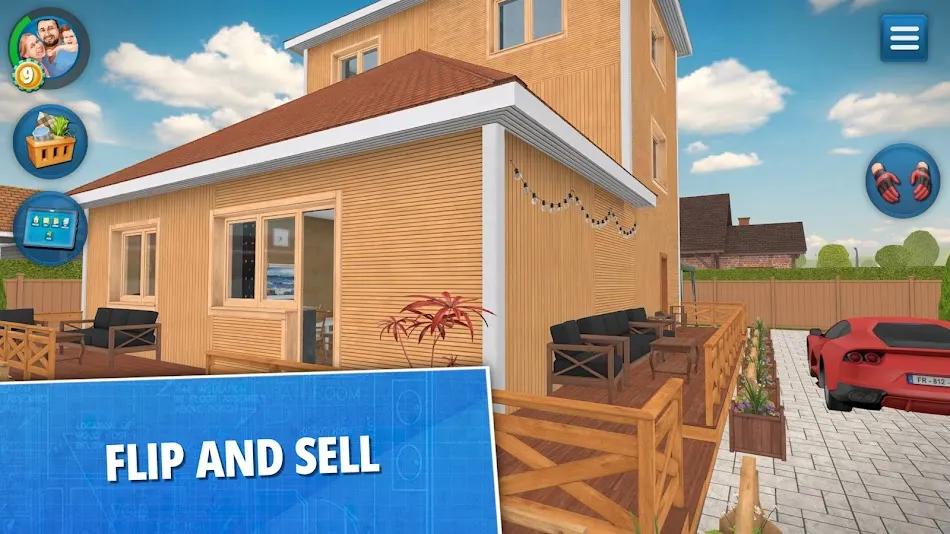
From that point, the primary gameplay loop shifts toward buying houses, increasing their value through renovation and redesign, selling them for profit, and using larger earnings to acquire more expensive homes. Every completed renovation strengthens future progression by expanding available resources and unlocking additional opportunities rather than increasing combat statistics or character levels.
This economy-driven structure connects nearly every system in the game. Tool upgrades improve work efficiency, efficient renovations increase profits, higher profits unlock larger investments, and successful property sales accelerate long-term progression.
Contracts, Property Investment, and Economic Growth
Contracts serve as the foundation of early progression because they provide guaranteed income without requiring major financial investment. Each completed job contributes both money and experience toward unlocking new abilities. Players gradually gain access to more renovation tools while building enough savings to enter the house-flipping market.
Property purchases become the primary long-term progression system once enough capital has been accumulated. Every house represents both an investment and a resource management challenge. The purchase price, renovation expenses, furniture costs, and expected resale value all influence potential profit.
This creates an ongoing decision-making process. Spending heavily on expensive furniture or unnecessary renovations may reduce profit margins, while investing too little can limit a property’s market value. Long-term success depends on balancing renovation costs against the preferences of potential buyers and the overall value added to each property.
As more profitable houses become available, larger investments generally lead to larger returns, allowing progression to accelerate through improved financial resources rather than artificial level requirements.
Tool Upgrades and Skill Development
Although House Flipper does not feature traditional equipment progression, players steadily improve through unlockable skills that enhance renovation tools and work efficiency.
Each renovation activity contributes experience toward its associated skill category. Cleaning tasks improve cleaning abilities, painting develops painting skills, construction actions strengthen building capabilities, and negotiation upgrades improve property sales.
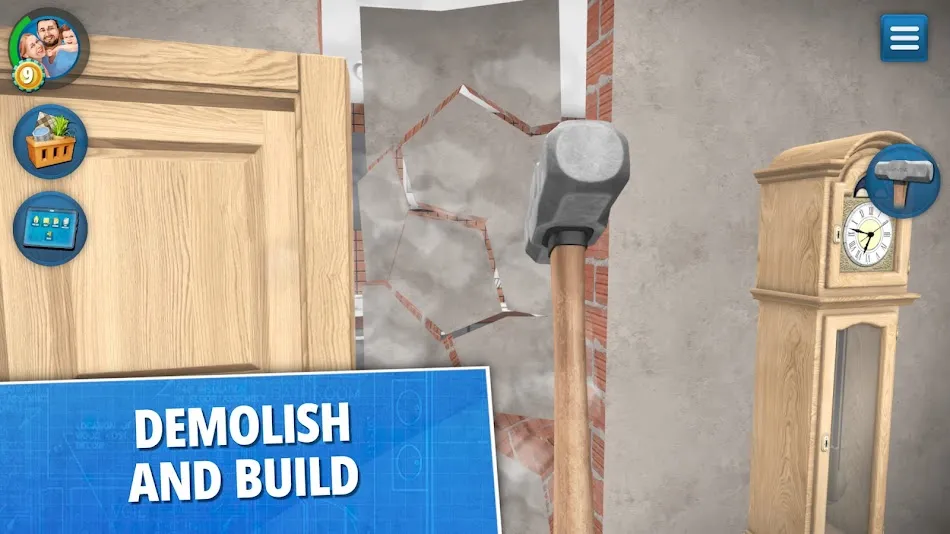
Most upgrades reduce the amount of time required to complete repetitive work. Cleaning perks increase mop efficiency and reveal dirt more easily. Painting upgrades allow larger wall coverage and reduce refill frequency. Demolition improvements speed up wall removal, while construction upgrades make rebuilding faster and more flexible.
Negotiation upgrades directly influence the economic system by increasing profits during house sales. Since selling properties becomes the primary income source later in the game, investing in negotiation provides long-term financial benefits that compound across multiple renovations.
Unlike many simulation games where upgrades simply unlock cosmetic options, nearly every skill in House Flipper improves productivity. Faster completion of renovation tasks allows players to finish more projects, generate income more quickly, and expand their renovation business at a faster pace.
Managing Money and Renovation Resources
Money functions as the central progression resource throughout the game. Every renovation decision ultimately affects cash flow, making financial management one of the most important gameplay systems.
Income primarily comes from two sources. Contract jobs provide stable earnings during the early stages, while renovated property sales become the dominant source of wealth later. Both systems feed directly into future progression by financing better tools, larger houses, and more ambitious renovation projects.
Unlike resource-heavy management games that require multiple crafting materials, House Flipper simplifies progression by focusing on financial investment. Furniture, paint, flooring, appliances, and decorations all represent monetary expenses rather than collectible resources.
Because every purchase affects profitability, players constantly weigh cost against potential return. Installing premium furniture may increase appeal for certain buyers but also raises renovation costs. Choosing economical materials can preserve profit margins but may reduce overall property value if the finished home appears incomplete.
Successful progression therefore depends on spending efficiently rather than spending heavily.
Property Renovation Systems
Every purchased property follows a similar renovation cycle, but each home presents different optimization opportunities.
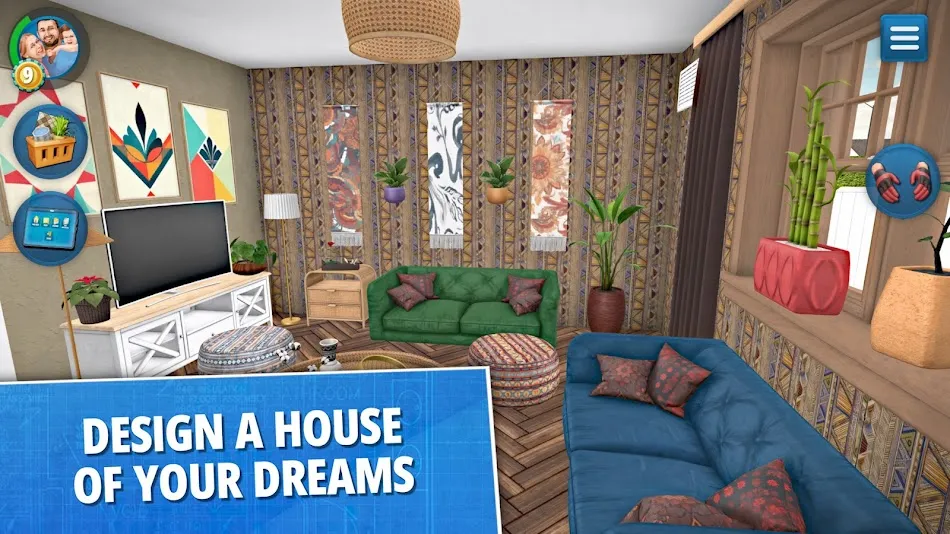
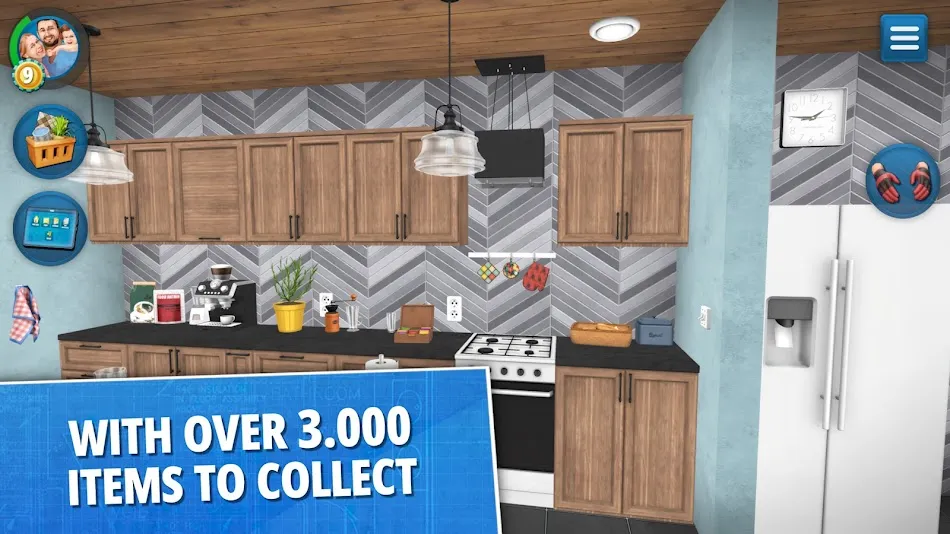
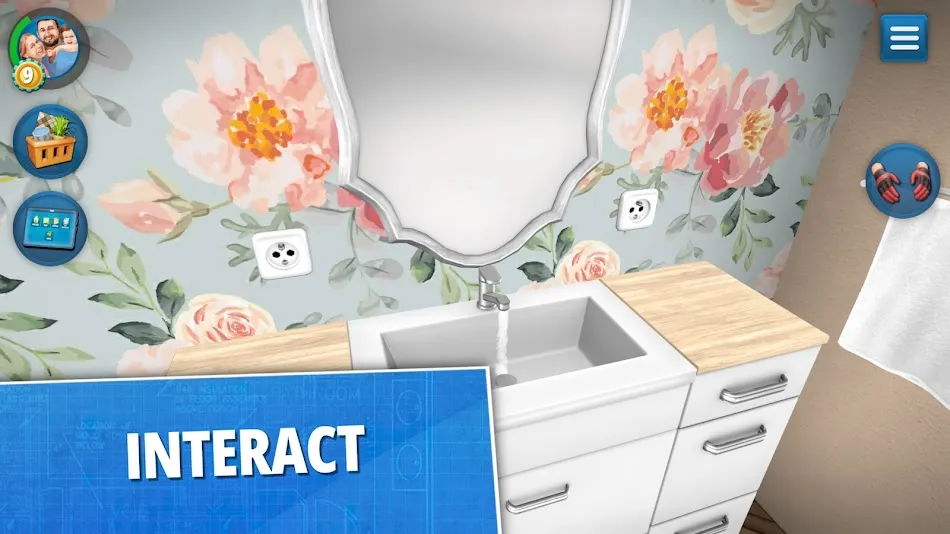
Initial work usually involves removing trash, cleaning surfaces, repairing damaged installations, replacing broken furniture, and restoring basic functionality. Once structural problems have been addressed, attention shifts toward improving the home’s appearance through painting, flooring, furniture placement, and room redesign.
Later properties often allow more structural freedom. Players can demolish interior walls, create larger living spaces, divide rooms differently, or redesign layouts to better match buyer expectations. These construction systems increase the strategic depth of renovations because layout decisions influence both functionality and resale value.
Furniture placement also interacts with progression by affecting buyer preferences. Different buyers prioritize different property characteristics, encouraging players to tailor renovations instead of following identical designs every time. Understanding these preferences gradually improves sales performance and increases long-term profitability.
Progression Scaling and Increasing Complexity
Difficulty in House Flipper grows primarily through property size, renovation scope, and financial investment rather than through harder mechanics.
Small houses require relatively few repairs and limited furnishing, making them manageable for new players with modest budgets. As progression continues, larger properties demand significantly greater investments, longer renovation periods, and more careful planning.
Higher-value houses introduce greater financial risk because poor renovation decisions can reduce profit margins substantially. Expensive purchases leave less room for mistakes, making budgeting increasingly important during later stages.
Progression bottlenecks generally occur when available funds are insufficient to purchase larger properties or when renovation expenses consume too much of the expected resale profit. Overcoming these obstacles requires more efficient spending, stronger negotiation bonuses, and consistent property turnover rather than grinding for experience levels.
Because profits can compound through successful investments, efficient renovations naturally accelerate future progression.
Long-Term Progression and Optimization
Once most renovation tools and skills have been unlocked, long-term progression shifts away from unlocking mechanics and toward maximizing efficiency and profitability.
Experienced players often focus on identifying undervalued properties, minimizing unnecessary renovation expenses, optimizing room layouts, and selecting furniture that increases resale appeal without excessively raising costs. Efficient project planning reduces renovation time while improving financial returns across consecutive house flips.
Expanding the player’s office, experimenting with different renovation strategies, and completing increasingly valuable properties provide ongoing progression even after the core upgrade systems have been largely completed.
Rather than relying on endless character levels, House Flipper supports long-term growth through an expanding real estate economy. Every successful renovation strengthens future purchasing power, allowing players to tackle larger projects, manage more valuable investments, and continuously improve the efficiency of their renovation business.
Installing House Flipper on Your Android Device
Follow the simple instructions below to install House Flipper on your Android smartphone or tablet.
1. Get the Latest APK File
Download the latest version of the APK from the download link provided above and wait for the file to finish downloading.
2. Enable Unknown App Installation
If prompted, allow your browser or file manager to install applications from external sources through your device settings.
3. Find the Downloaded APK
Open your Downloads folder or preferred file manager and locate the downloaded APK file.
4. Begin the Installation
Tap the APK file and select the Install option. The installation process may take a few seconds depending on your device.
5. Launch the Application
Once the installation is complete, open House Flipper from your app drawer and start using the app.
FAQs
Q1. What is the main gameplay loop in House Flipper?
The core gameplay loop involves accepting renovation jobs, earning money, upgrading your skills, buying neglected properties, renovating them, selling them for profit, and using the earnings to fund larger renovation projects.
Q2. Do renovation choices affect house value in House Flipper?
Yes. The quality of renovations, room layouts, furniture selection, and overall property improvements can influence a home’s resale value, making renovation planning an important part of maximizing profits.
Q3. Are there different types of properties to renovate in House Flipper?
Yes. As you progress, you’ll gain access to a variety of houses that differ in size, condition, layout, and renovation requirements. Larger properties typically require bigger investments but offer greater earning potential.
Q4. Is resource management important in House Flipper?
Money is the game’s primary resource, and managing it wisely is essential. Balancing renovation costs with the expected selling price helps maintain steady progression and supports investment in more valuable properties.
Q5. Can you continue playing after unlocking most upgrades in House Flipper?
Yes. Even after unlocking the major tool and skill upgrades, players can continue purchasing new houses, experimenting with different renovation strategies, improving property values, and expanding their virtual real estate business.